Our energy
Here’s where our 100% renewable electricity comes from.
Our fuel mix
100% renewable
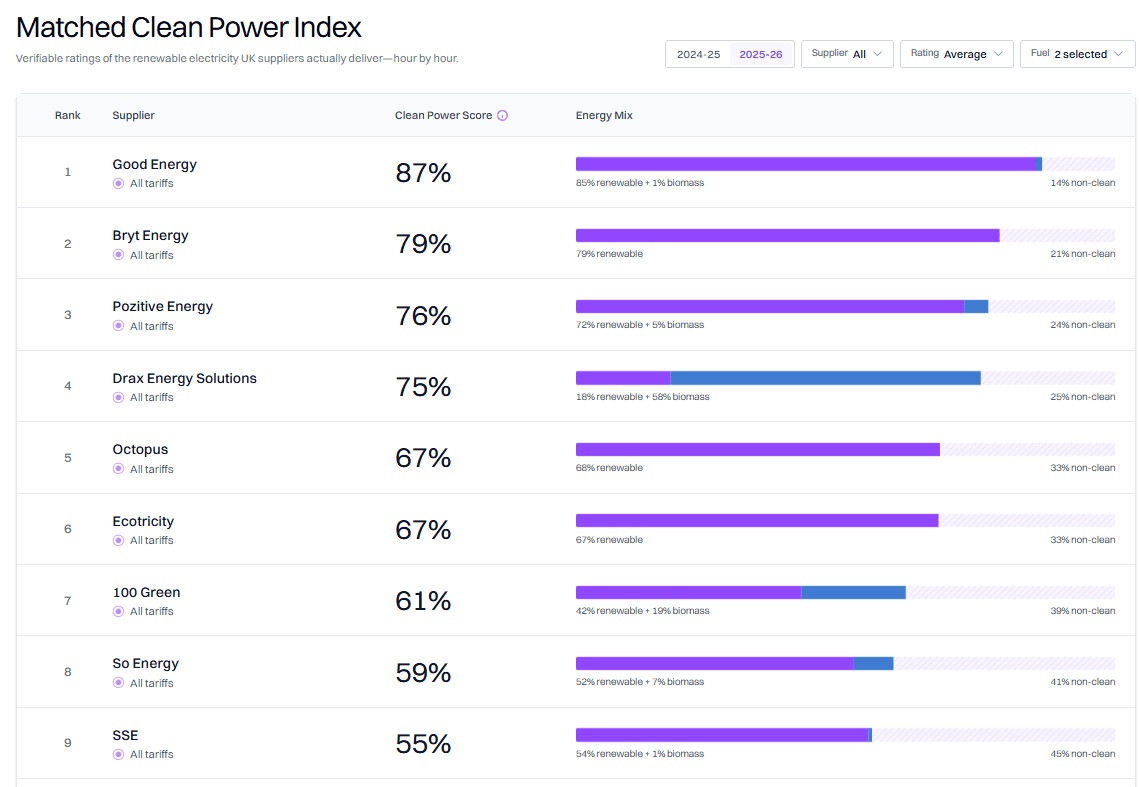
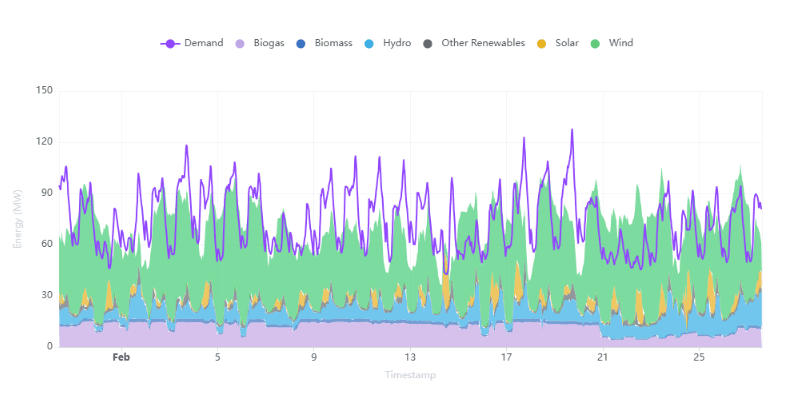
All our tariffs are matched with 100% renewable electricity bought directly from over 3,300 British generators. We achieve a real-time match between generation and demand a 87% of the time – a higher match than any other UK supplier*.
0g CO2 / kWh
Our 100% renewable fuel mix
- 55% = Wind
- 27% = Biogeneration
- 9% = Hydro
- 9% = Solar
*Fuel mix disclosure period April 2025-March 2026. 0g CO2 refers to generator emissions in the operational phase.
All energy suppliers are required to provide information on their fuel mix. To check another supplier’s fuel mix, go to their website.
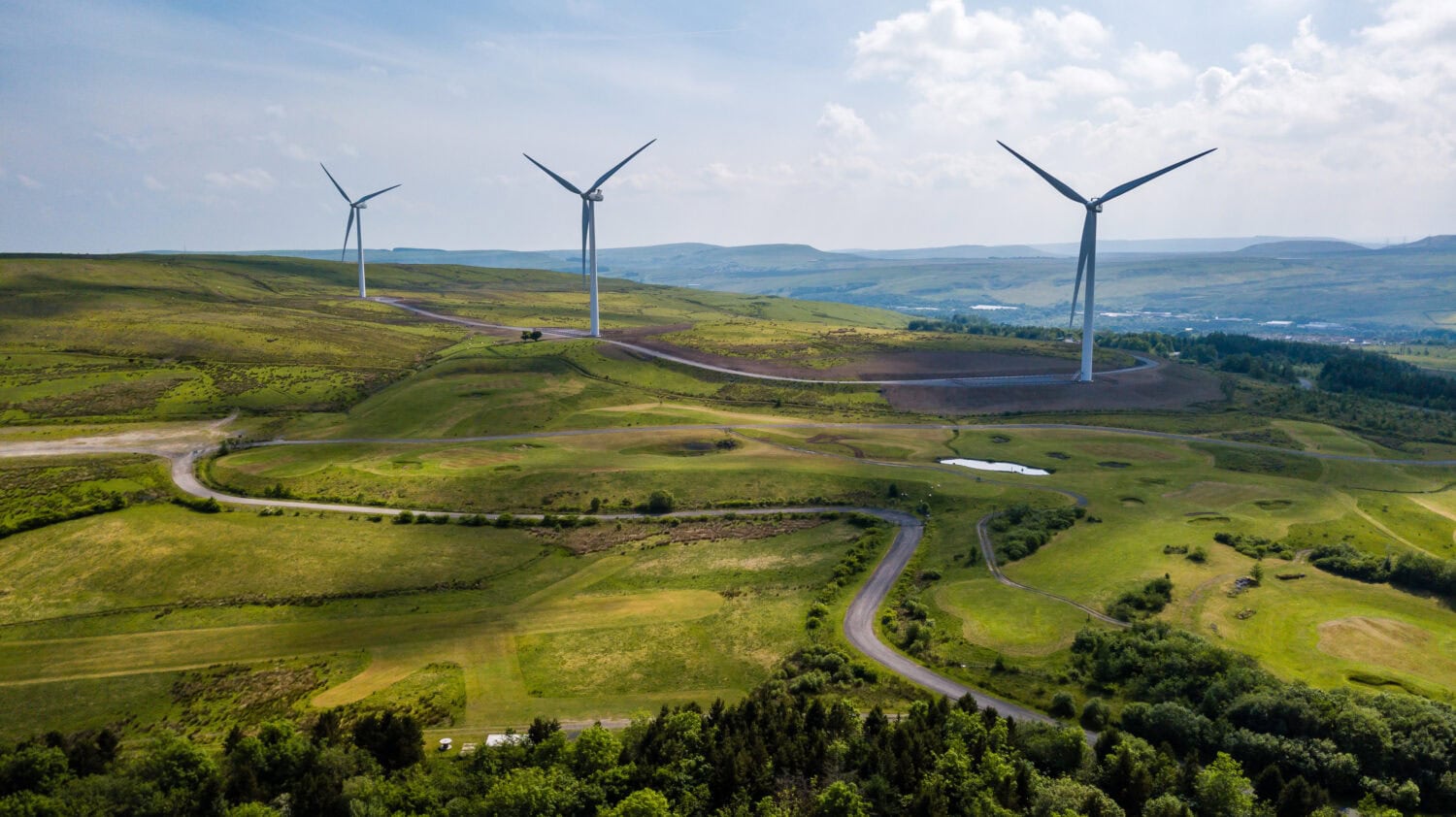
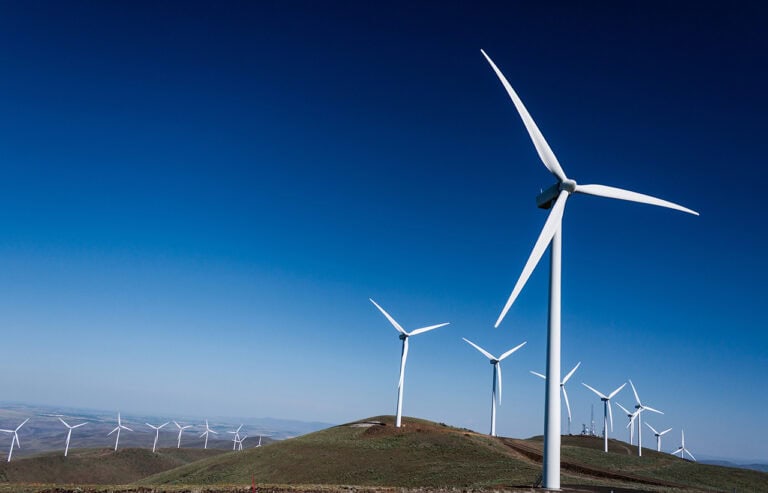
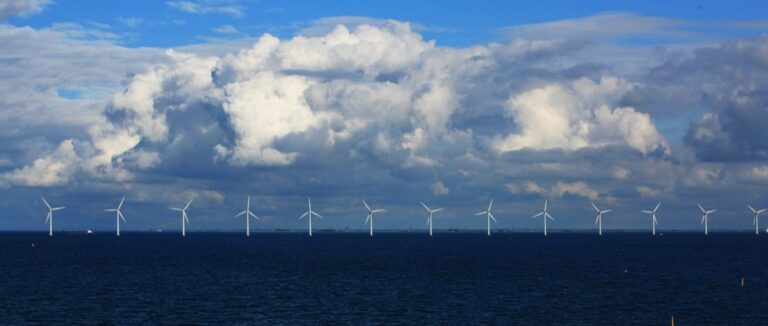
55% Wind
The powerhouse of our mix. We buy from both offshore and onshore wind farms across Britain.
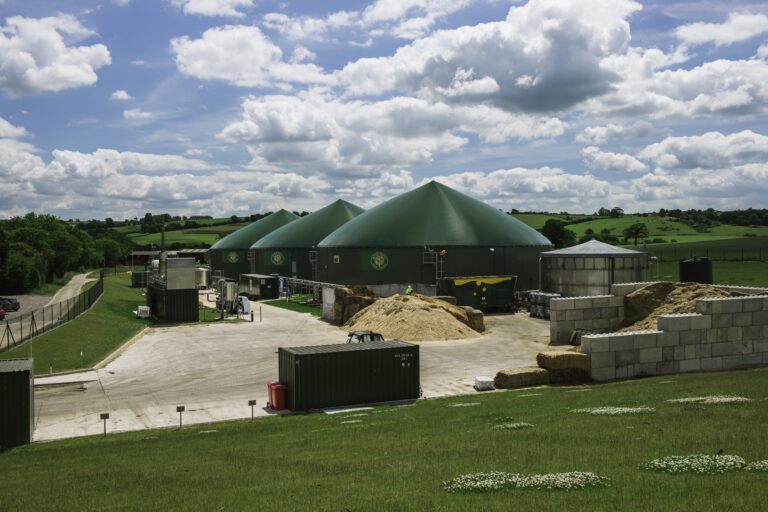
27% Biogeneration
A brilliant baseload of renewable power – and a great way to capture harmful gases from waste.
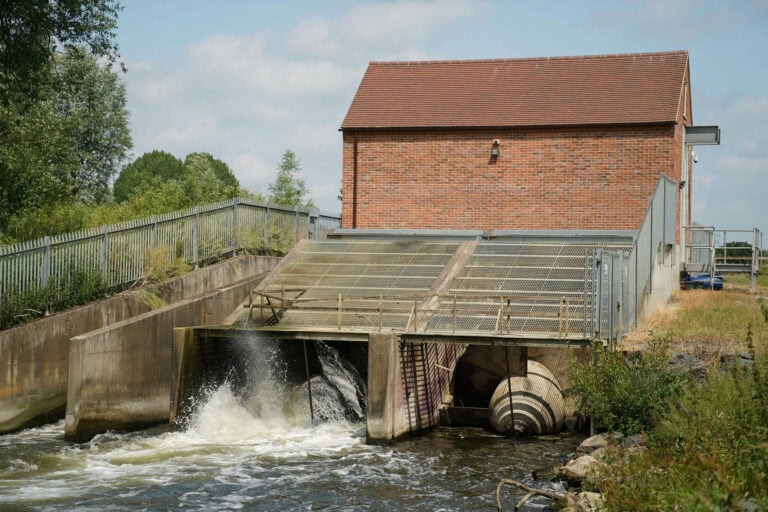
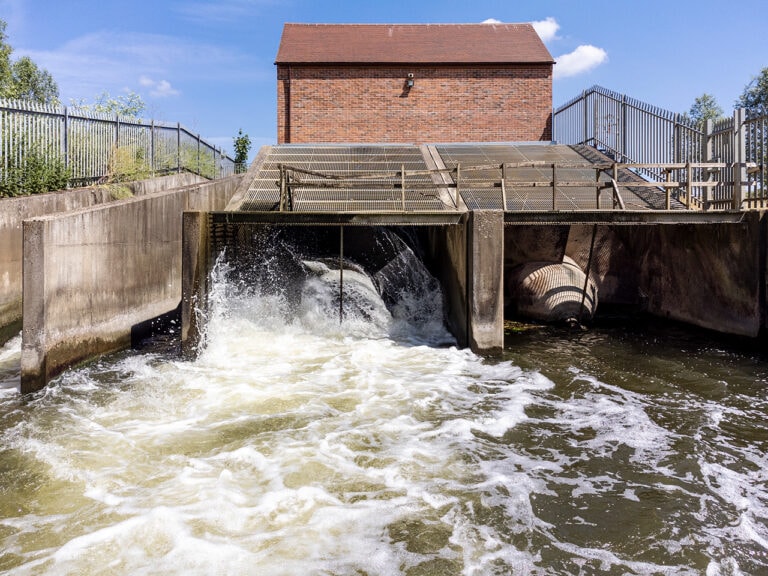
9% Hydro
Another strong baseload – particularly when it rains, as it often does here in Britain.
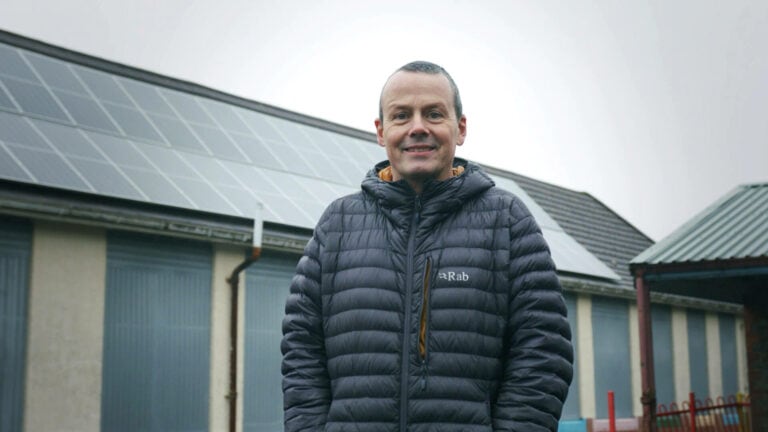
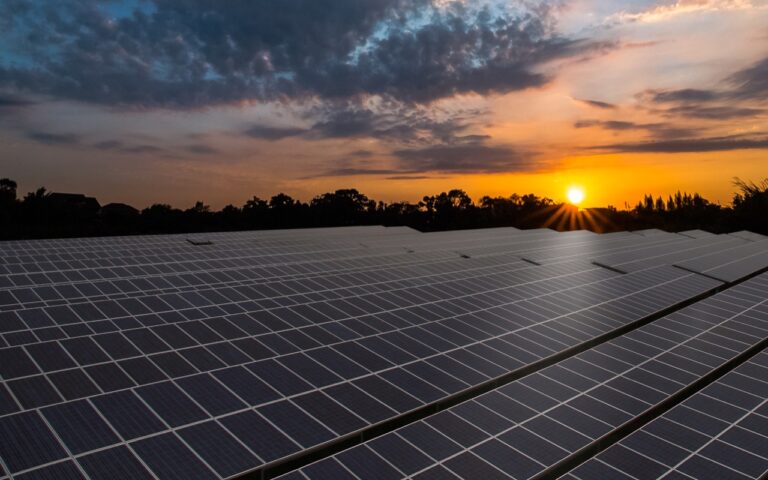
9% Solar
When it’s not rainy or windy, it’s often sunny. We buy from large solar farms, household arrays, and everything in between.
Improving access to clean energy around the world
Our greener gas tariff is made up of at least 10% renewable biogas, produced by breaking down organic matter such as waste.
All emissions from gas used by customers are offset by supporting Gold Standard offsetting projects. These include household biogas projects in China, India and Kenya, which provide sustainable and healthier alternatives to burning solid fuel.

How we compare to the UK average

UK average fuel mix
- 48% = Renewables
- 31.3% = Gas
- 13.7% = Nuclear
- 4.7% = Coal
- 2.2% = Other
*Fuel mix disclosure period April 2025-March 2026. Data source: DESNZ Fuel Mix Disclosure Data Table.
48% Renewables
The future of Britain’s energy mix – and the kind of energy our customers are helping to grow.
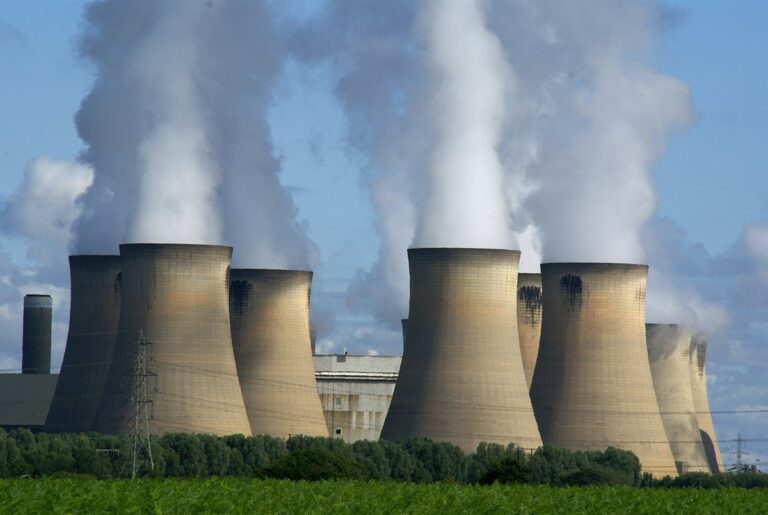
31.4% Gas
Gas power stations release large amounts of carbon emissions, making them one of the biggest contributors to climate change on the grid.

13.7% Nuclear
Low-carbon, but not renewable. Nuclear power stations are expensive to build, slow to expand and inflexible alongside renewables.
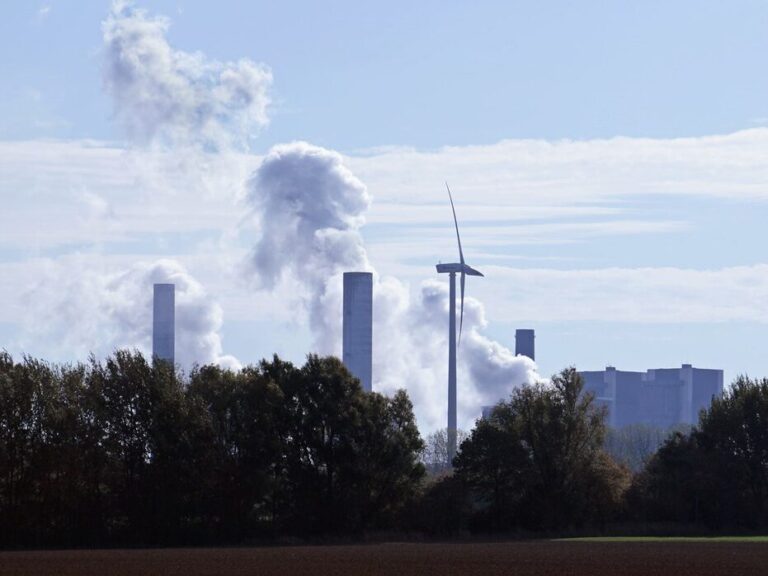
4.7% Coal
Although the UK no longer generates electricity from coal, it imports some of its supplied electricity from Europe via interconnectors – where coal-powered generation is still a high percentage of the fuel mix.
Our network of producers
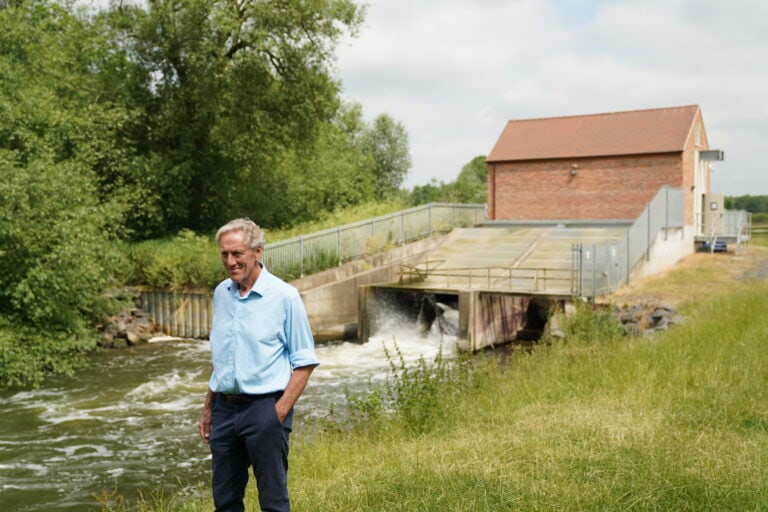
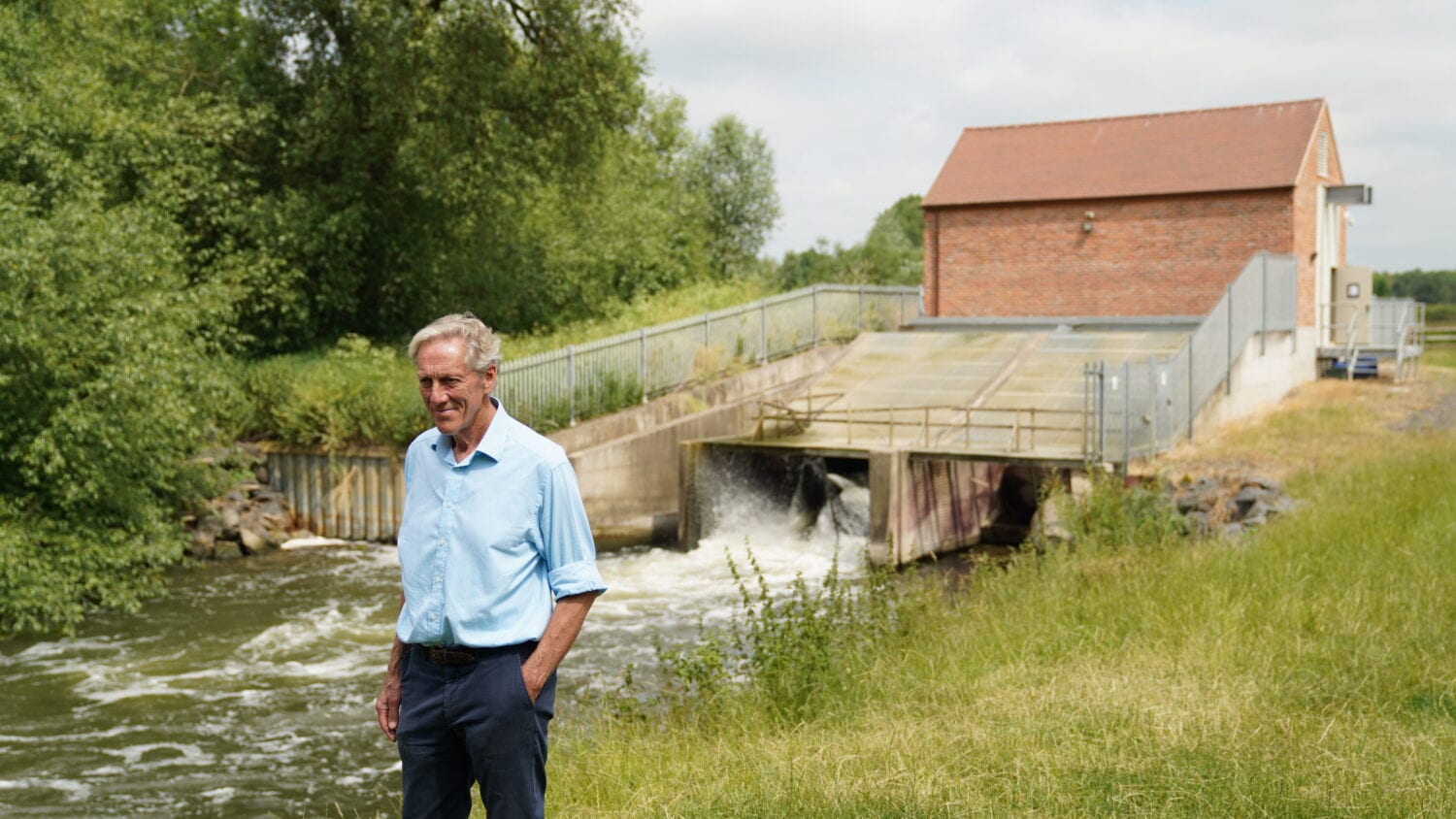
3,000 British renewable producers
Every unit of our 100% renewable electricity is backed by our incredible community of independent producers – generating power in ways that work with nature, not against it.
Our proof
#1 on the Matched Clean Power Index
The Matched Clean Power Index independently ranks energy suppliers based on how closely they match their customers’ electricity use to renewable generation in half-hour intervals, not just annually.
We rank first. That means we’re sourcing the right mix of electricity to match how our customers really use it.
Trusted by experts

The Uk’s only B Corp home energy supplier

The only UK energy company to receive Uswitch’s Green Accreditation 2026
A Which? Eco Provider for 6 years running

Rated by over 15,000 customers
Trusted by people
“It is always pleasant to speak to the team at Good Energy, always happy to talk to you it makes it much more pleasant than anywhere so please keep up …”
“Very good supporting customer service, polite and helpful. Very good energy company Always there to help immediately and Very helpful definitely recommend 👍🏻 “
“very prompt and helpful reply to my query about moving house.”
“Clear accurate communication from G E call centre”
Trustscore 4.8 | 15,158 reviews
How we’re challenging the industry

We’re proving greener homes don’t have to be complicated.
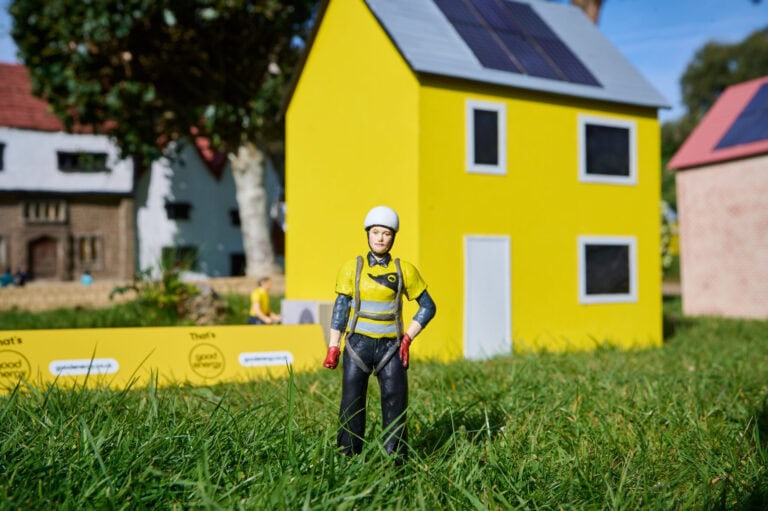
Sunshine Place is our miniature village designed to show how renewable technology could work in everyday homes – and why government support is needed to make it accessible to more people.

Our fuel mix explained
A supplier’s fuel mix shows the sources of the electricity that it supplies to its customers. For example, coal, gas, nuclear and renewables.
Over the course of a year, energy suppliers must buy enough electricity to feed into the national electricity grid to cover the amount their customers take out. At the end of each year, suppliers must disclose their fuel mix to the electricity and gas regulator, Ofgem. This information is published annually to help people make informed choices about their electricity supplier.
We buy renewable power direct from over 3,000 independent renewable generators.
We also source electricity from Westermost Rough Wind Farm, which is situated five miles off the Yorkshire Coast. We purchase 12% of its overall output, which is enough renewable electricity per year for more than 33,000 average homes.
Added together, the renewable electricity from all these sources matches the amount of electricity we supply to our home and business customers across the UK.
For more detailed information on how we source electricity, read the Environmental Benefits substantiation report below.
Between April 2025 and March 2026 (Our most recently published fuel mix) we achieved an unrivalled 87% match between our total customer demand and renewable generation produced within the same half hour, independently verified by the Matched Clean Power Index. Any gaps between generation and demand are matched over the course of a year.
This is important because electricity can’t be stored at scale – it needs to be used as it’s produced. To get Britain’s grid to 100% low carbon, we need renewable generation that reflects how people actually use power. That means generators spread across the country and across technologies.
*Electricity reaches you through the National Grid, which contains electricity generated from a mix of sources, including fossil fuels. We match all of the power you use at home with 100% renewable electricity sourced from our community of over 3,000 independent renewable generators.
Between April 2025 and March 2026 (Our most recently published fuel mix) we achieved an unrivalled 87% match between our total customer demand and renewable generation produced within the same half hour, independently verified by the Matched Clean Power Index. Any gaps between generation and demand are matched over the course of a year.